
Whether you are a professional or amateur photographer, it is essential to know the parts of a camera lens well. In photography, the camera lens plays an important role, as it directly affects the image quality and artistic impact of the photos.
This article explains the parts of a camera lens. After reading, you will definitely take better photos.
A camera lens typically consists of: housing, lenses, aperture, focus ring, camera mount, and other additional components. Knowing these parts well helps you make better decisions when choosing lenses and capture every highlight precisely during photography!
1. Lens Housing: The Stable Foundation
As the outer shell, the lens housing is usually made of metal or high-strength plastic such as magnesium alloys. It not only holds all internal optical components but also acts like a protective armor.
A high-quality housing can ensure the camera’s operational stability from -10°C to +40°C and also block dust and moisture. The housing material and manufacturing technique also affect the lens’s weight and durability.
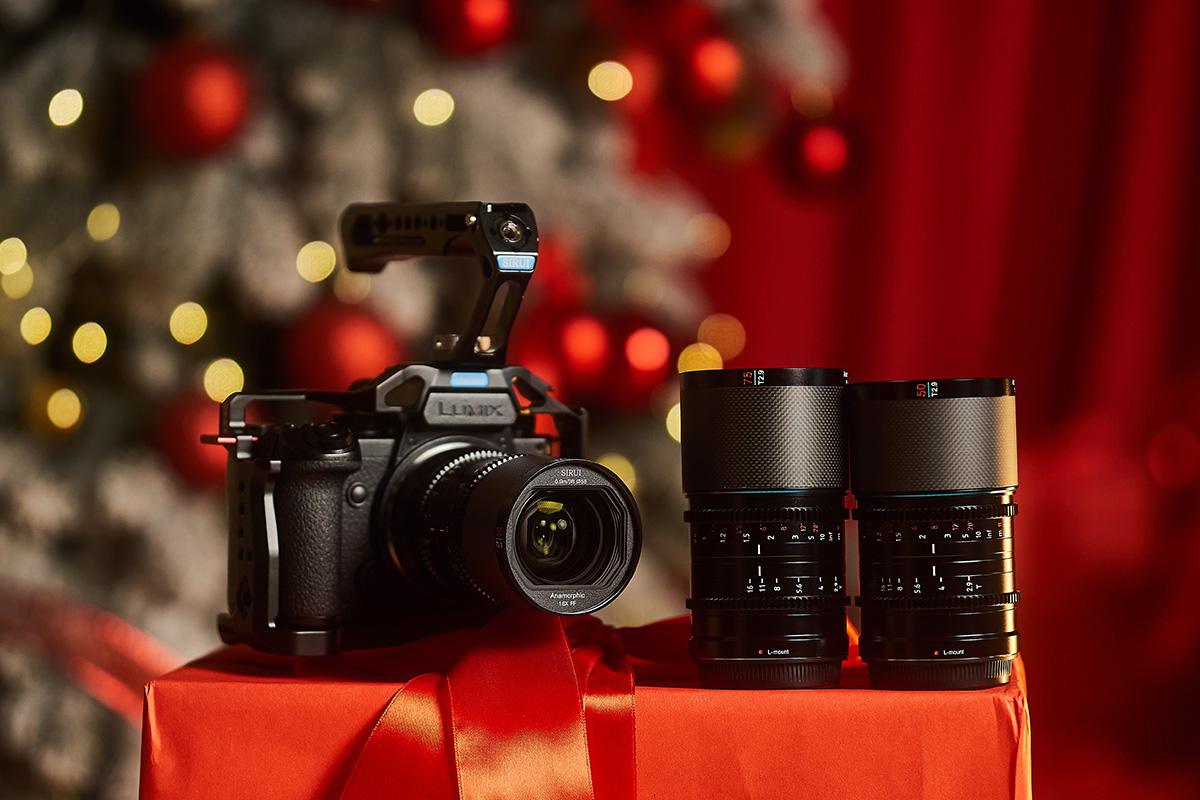
A lightweight and sturdy lens is popular among photographers. SIRUI Saturn 35/50/75mm T2.9 1.6x anamorphotic Carbon Full-Frame Lens performs particularly well in this regard. The front barrel is made of carbon fiber, reducing the total weight of all three lenses to less than 500 g. Therefore, this lightweight anamorphic full-frame lens is your first choice for on-the-go shooting!
2. Lens: The Core of Imaging
As the optical core component, the lens precisely focuses light rays onto the camera sensor. This directly determines the sharpness and clarity of the image.
The lenses come in the following types: convex lens, concave lens, and aspherical lens. The convex lens converges light, the concave lens disperses light, and the aspherical lens can correct optical aberrations, allowing the image edges to remain sharp. Additionally, the number and quality of lenses are crucial criteria for evaluating lens performance.
High-quality lenses usually use combinations of multiple high-performance optical lenses to achieve excellent imaging and higher resolution. The SIRUI Saturn series lenses use highly precise aspherical glass elements to correct spherical aberrations, meaning optical designers can achieve aberration correction with fewer elements compared to conventional spherical lenses and obtain better optical results.
3. Aperture: The Central Control for Light and Depth of Field
The aperture unit consists of several metallic blades that precisely regulate the light throughput. The opening size is indicated by the f-number: the lower the f-number, the larger the aperture opening and the more light can enter the lens, which results in a shallower depth of field and is ideal for low-light photography. The higher the f-number, the smaller the aperture. This increased depth of field is suitable for photographing sharp backgrounds.
Photographers use precise aperture selection to control both exposure balance and artistic image effects.
4. Focus Ring: The Tool for Focus Control
The focus ring, a manual control ring on the lens, allows precise focus adjustment by rotation. This manual focus control is indispensable for demanding subjects such as portrait or macro photography. Many modern lenses feature autofocus systems with built-in motors for quick focusing. However, the focus ring remains popular among many professional photographers.
5. Camera Mount: The Bridge Between Camera and Lens
The camera mount connects interchangeable lenses to the camera body. Each camera system has its own standards—such as Canon RF, Nikon Z, or Sony E-Mount. Compatibility between mount and camera is crucial. The design affects stability and electronic communication, such as autofocus control.
6. Additional Components: Functional Extensions
Lens caps and lens hoods protect lenses and optimize image quality. A lens cap is placed on a lens to protect it from dirt and damage. Lens hoods are used to shield against sunlight.
Conclusion:
All lens components work together and influence the camera’s performance and image quality. Those who know the parts of a camera lens well can certainly make better decisions when choosing lenses. Now is the time: find your lens and start your own chapter!


