
The comparison between mirrorless interchangeable lens cameras and DSLRs remains a current topic and should be revisited in 2025. We have compared the two cameras for you so you can decide which one to buy.
Purchasing new camera equipment for photography and videography boils down to one of the most debated comparisons of all time in this industry: mirrorless interchangeable lens cameras vs. DSLRs. Beginners in this niche and those looking for an affordable upgrade are always interested in knowing which of the two is the better option for the future. The answer to this question varies from person to person and is sometimes subjective.
However, we must consider the technological landscape, R&D trends, and the requirements of current content creation standards. Below, we have tried to compile an unbiased comparison of various aspects you should consider:
Mirrorless Interchangeable Lens Camera vs. DSLR
1. Analog vs. Digital Origins
The DSLR has seen its best days and was once the leading standard of analog optical technology, rooted in the film-era single-lens reflex cameras. These cameras carry an analog heritage today, while mirrorless cameras are their digital counterparts, now equipped with significantly more advanced and compact technology.
The choice between DSLRs and mirrorless interchangeable lens cameras is essentially a decision between analog and digital technology, and most professionals adapt to modern technology ecosystems due to changing industry trends.
While DSLRs are still quite capable, with the shift to mirrorless standards, users want not only clarity and more pixels. They seek contemporary content creation that helps them stand out from the competition, and DSLRs struggle to offer this level of versatility.
2. Classic vs. Hybrid Shooting:
Newer camera models belong to the multitasking era, where manufacturers equip their cameras with features like switching between photo and video recording at resolutions of 4K, 6K, or even 8K.
These camera bodies are noticeably more compact and enable live streaming directly from the body. They feature built-in image stabilization, making them significantly more relevant in today’s content creation landscape. DSLRs were not designed for such tasks and lag behind mirrorless platforms in this multitasking capability.
3. AI Transformation
DSLRs lack native AI integration, limiting their ability to utilize machine learning. As a result, mirrorless cameras perform significantly better in core functions such as eye, face, and animal detection, HDR blending, intelligent bracketing, and scene recognition.
This is one of the key factors in the comparison between mirrorless interchangeable lens cameras and DSLRs, where mirrorless cameras have the edge. If you are still working within the DSLR ecosystem, you are merely capturing images but not engaging in intelligent photography and videography, which can be a major obstacle (and should be).
4. Future-Proofing
The future of the current camera world lies in mirrorless cameras; most major brands are pushing the integration of AI and other technologies into their top-tier and flagship models, while DSLRs receive significantly less attention and innovation from OEMs. Some leading brands have already ceased all research and development in the DSLR sector and focus exclusively on mirrorless lens systems.
In the coming years, this trend is expected to continue, leading to the growth of a mirrorless ecosystem that offers content creators and professional photographers much greater future-proofing.
5. Advanced Lens Technologies:
The new generation of lenses is much better matched to mirrorless camera technology and delivers significantly better results. This is especially true for newer technologies like in-sensor phase and contrast detection compared to the phase-detection AF of DSLRs via a separate module, whose accuracy decreases with sudden movements.
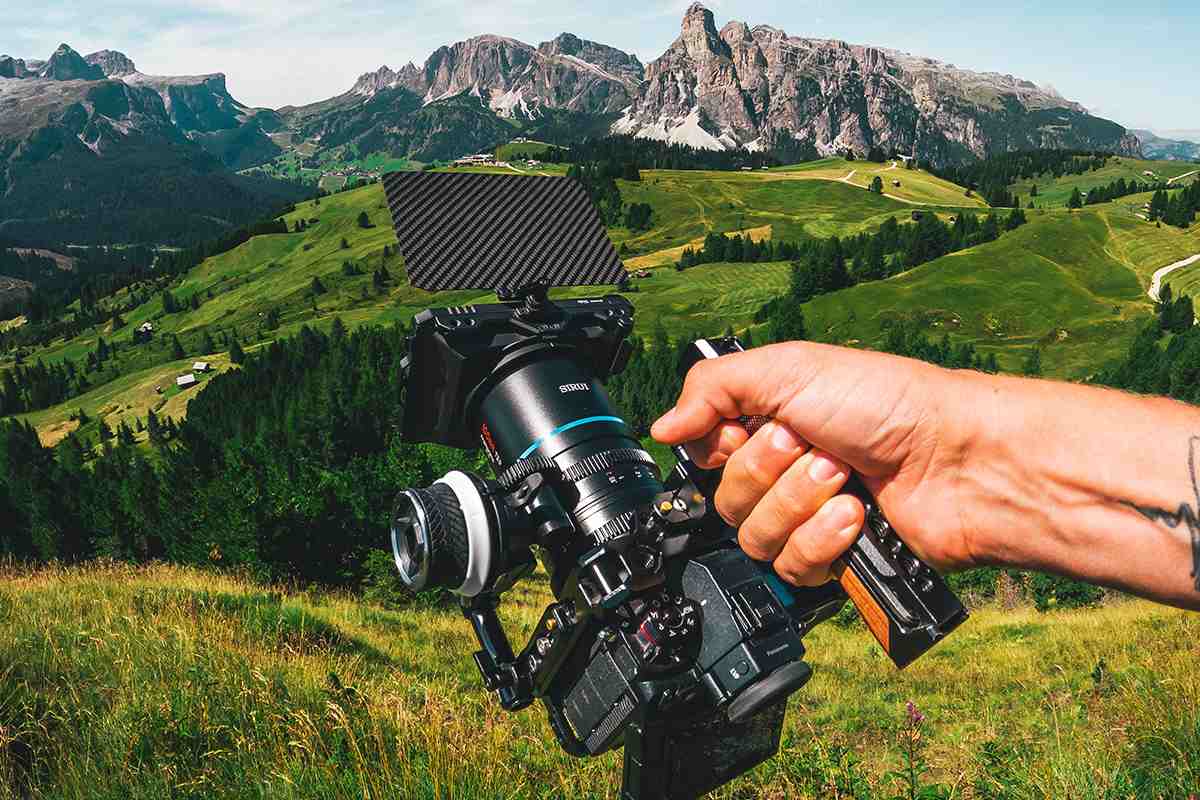
Additionally, there is a notable difference in flange distance between lenses for mirrorless platforms and DSLRs, making them more compact and sharper. One such camera lens with native mirrorless optics is the SIRUI Venus, which sets new standards for modern content creation in 2025. With its incredibly affordable price, this lens is an ideal entry point for anyone looking to enter the mirrorless world or upgrade their existing gear.
This lens was specifically designed for modern mirrorless cameras and features a cinematic 1.6x zoom and next-generation enhanced communication systems between lens and sensor, far surpassing DSLR-era lenses in focusing speed and image stabilization. Thanks to the shorter flange distance compared to DSLR lenses, this optical device delivers stunning oval bokeh and razor-sharp images that will immediately help you stand out in the content creation industry.
Mirrorless vs. DSLR: Which Camera Is the Right Choice?
The above comparison between mirrorless interchangeable lens cameras and DSLRs shows that mirrorless cameras are a much safer long-term investment. Those looking for mirrorless lenses may feel overwhelmed by the many available specifications, brands, and opinions. If you want a powerful and future-proof camera, pairing your new mirrorless camera with the SIRUI Venus lens in 2025 is a smart choice. It is designed and optimized for mirrorless platforms to unlock the next generation of content creation and offers much more at an affordable price.


