Mastering the Light: The Key to Breathtaking Photography
QBilson |
Light plays a crucial role in photography, as it influences the mood, depth, and overall quality of an image. While natural light can be beautiful, it is often unpredictable. That’s why artificial light is essential for photographers seeking consistency and creative control. The right lighting can highlight details, emphasize textures, and create dynamic contrasts that make images even more engaging.
One of the main advantages of lighting a subject is improving exposure and reducing unwanted shadows. In low-light environments, additional light helps avoid grainy or underexposed images, ensuring clarity and sharpness. Even in well-lit scenes, strategically placed lighting can add depth and dimension, making the subject stand out better.
Artificial lighting also allows greater flexibility in creative expression. By adjusting intensity, direction, and color temperature, photographers can create different moods and atmospheres—from a warm, inviting glow to a dramatic, high-contrast look. Soft light can produce flattering portraits by minimizing harsh shadows, while directional light can add drama and emphasize specific elements in the image.
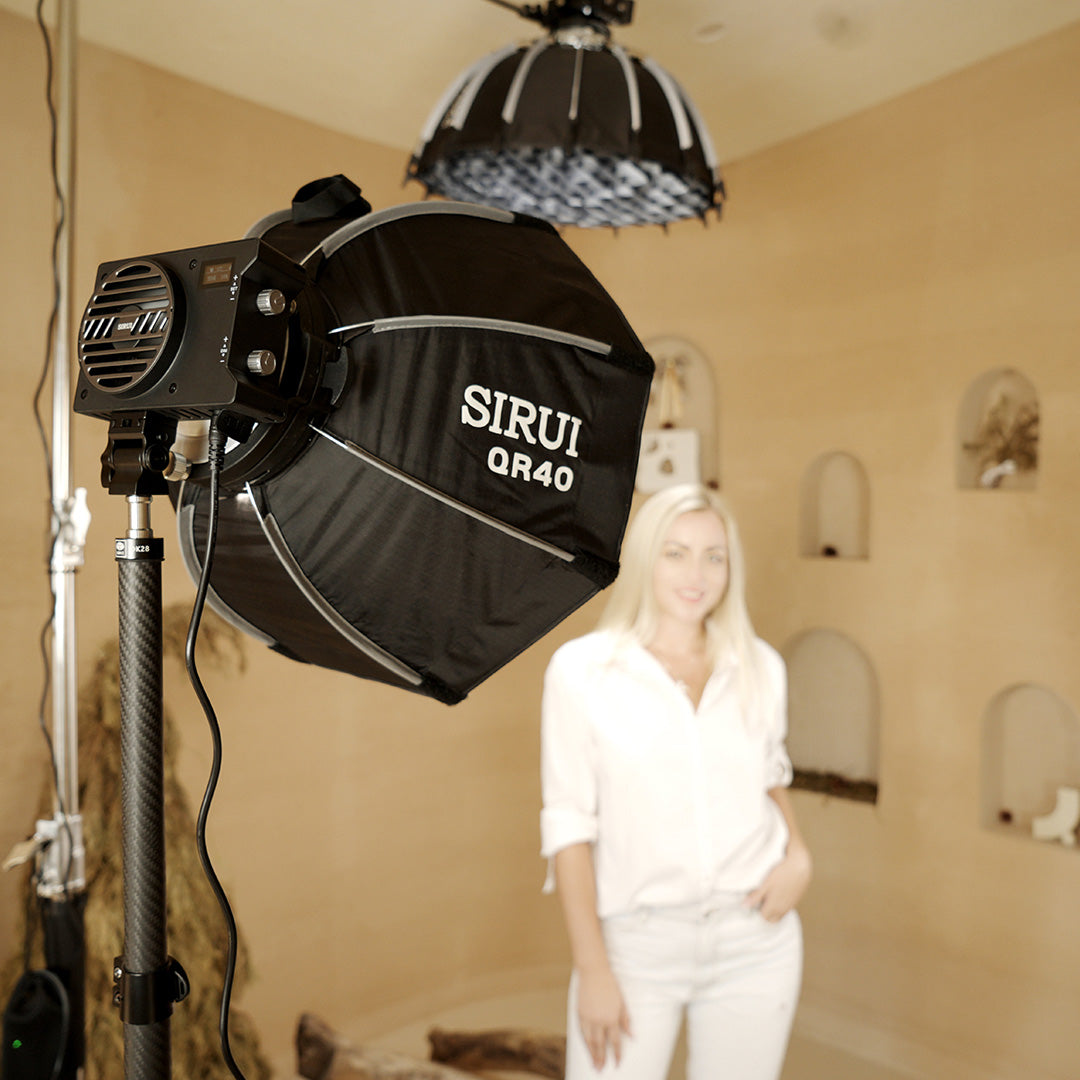
For photographers working in controlled environments like studios, professional lighting setups—including softboxes, ring lights, and flashes—offer precision and consistency. Outdoor photographers, on the other hand, benefit from portable LED lights and reflectors to complement or modify natural light. The right combination of lighting equipment ensures photographers can maintain their desired style under various shooting conditions.
Ultimately, mastering lighting is essential to improving photographic skills. Whether for portraits, product shots, or landscape photography, understanding how to use light purposefully allows photographers to refine their visual storytelling. Investing in the right lighting equipment and learning how to use it effectively can make a significant difference in the final result, turning an ordinary shot into an extraordinary image.