Shoot like a master: Lens tips for stunning photos
QBilson |
Understanding camera lenses is crucial for beginners who want to improve their photography skills. The lens plays a key role in determining the quality, sharpness, and depth effect of an image. Different lenses serve different purposes, and choosing the right one can significantly impact the final result. Prime lenses with their fixed focal length are excellent for sharpness and low-light conditions, while zoom lenses offer flexibility by covering a range of focal lengths. Wide-angle lenses are great for landscape and architectural photography, while telephoto lenses are ideal for capturing distant subjects like wildlife and sports shots.
Besides choosing the right lens, understanding basic shooting techniques is equally important. A key aspect is mastering aperture, shutter speed, and ISO, which together are called the exposure triangle. The aperture controls the amount of light entering the camera and affects depth of field, making it especially important for portrait photography. The shutter speed determines how motion is captured – fast speeds freeze action, while slower speeds create motion blur. ISO affects the sensor’s light sensitivity, with higher values helpful in low light but potentially causing image noise.
Another essential technique is composition. The rule of thirds is a simple but effective guideline that helps place subjects aesthetically. Positioning the subject off-center creates a more balanced and interesting photo. Additionally, paying attention to leading lines, symmetry, and perspective enhances visual impact. Lighting also plays a crucial role; natural light often delivers the best results, especially during the golden hour – shortly after sunrise or before sunset – when the light is soft and warm.
Practice is the best way to improve. Experimenting with different lenses and settings helps build confidence and understanding. With time, patience, and perseverance, beginners can develop their own style and effortlessly capture impressive images.

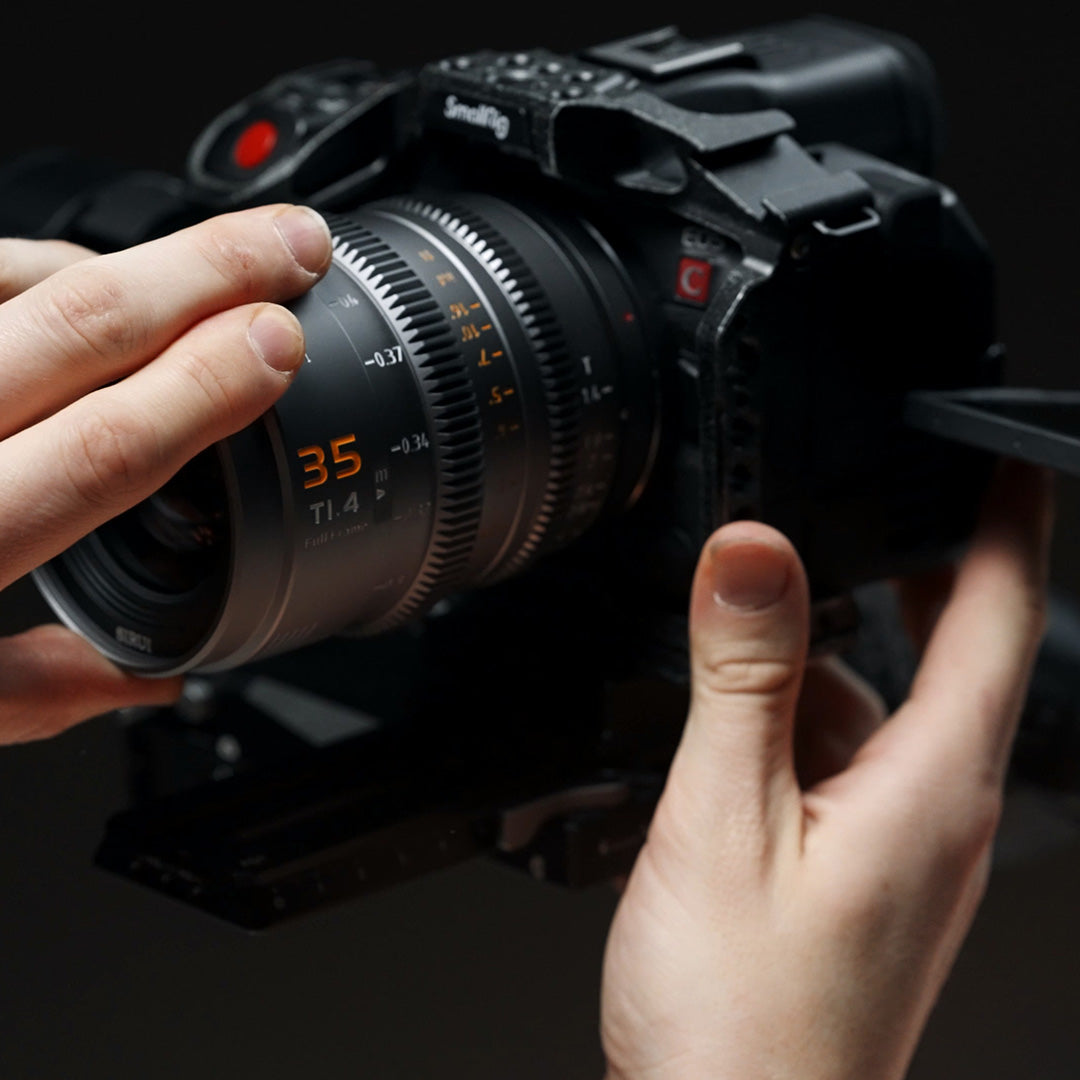
 Understanding camera lenses is crucial for beginners who want to improve their photography skills. The lens plays a key role in determining the quality, sharpness, and depth effect of an image. Different lenses serve different purposes, and choosing the right one can significantly impact the final result. Prime lenses with their fixed focal length are excellent for sharpness and low-light conditions, while zoom lenses offer flexibility by covering a range of focal lengths. Wide-angle lenses are great for landscape and architectural photography, while telephoto lenses are ideal for capturing distant subjects like wildlife and sports shots.


